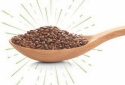


HẠT LANH (FLAXSEED)
Thành phần dinh dưỡng giàu giá trị cho thức ăn thú cưng
Jennifer Adolphe, PhD, RD – Chuyên gia Dinh dưỡng Cao cấp, Petcurean
Kelley Fitzpatrick, MSc. – NutriScience Solutions
Điểm nổi bật
- Người tiêu dùng ngày càng mong muốn thức ăn thú cưng cung cấp đầy đủ và cân đối dinh dưỡng, đồng thời sử dụng các nguyên liệu mang lại lợi ích sức khỏe, an toàn và ngon miệng cho vật nuôi.
- Hạt lanh giàu các dưỡng chất hỗ trợ sức khỏe thú cưng như axit béo Omega-3, chất xơ, protein và lignan.
- Hạt lanh là nguyên liệu bền vững, có nguồn gốc địa phương và có nguồn gốc thực vật, rất phù hợp để sử dụng trong thức ăn cho chó và mèo.
Ngành thức ăn thú cưng đóng góp khoảng 2 tỷ đô la Canada mỗi năm cho nền kinh tế Canada và doanh số vẫn tiếp tục tăng trưởng. Hoa Kỳ hiện là thị trường thức ăn thú cưng lớn nhất thế giới. Sự khác biệt hóa sản phẩm và xu hướng “cao cấp hóa” là những động lực chính thúc đẩy tăng trưởng, đồng thời các xu hướng này thường đi theo những thay đổi trong ngành thực phẩm dành cho con người.
Người tiêu dùng ngày càng xem thú cưng như thành viên trong gia đình và sức khỏe của chúng là một trong những ưu tiên hàng đầu. Chức năng và lợi ích sức khỏe của thực phẩm đóng vai trò quan trọng trong quyết định mua hàng. Xu hướng “nhân hóa thú cưng” đã làm tăng nhu cầu đối với các loại thực phẩm và nguyên liệu tự nhiên, lành mạnh nhằm giúp thú cưng khỏe mạnh và hạnh phúc hơn.
Tự nhiên, toàn diện (holistic), đạt chuẩn thực phẩm cho người (human-grade), không ngũ cốc (grain-free), không gluten, không biến đổi gen (non-GMO), hữu cơ, bền vững... là những thuật ngữ phổ biến trong ngành thức ăn thú cưng hiện nay. Các nhà sản xuất phải đối mặt với thách thức trong việc xây dựng khẩu phần đầy đủ dinh dưỡng, cân đối và đồng thời mang lại lợi ích sức khỏe cho vật nuôi cũng như đáp ứng sự đánh giá ngày càng khắt khe từ người nuôi.
Nhiều công ty thức ăn thú cưng đã nhận ra từ nhiều thập kỷ trước rằng hạt lanh chứa nhiều thành phần dinh dưỡng có giá trị đáp ứng các yêu cầu này.
Hạt lanh: Nguồn Omega-3 được trồng tại địa phương
Cây lanh là loài thực vật có hoa màu xanh, phát triển tốt trong khí hậu mát mẻ của vùng đồng bằng phía Tây Canada. Canada là một trong những quốc gia sản xuất hạt lanh lớn nhất thế giới, cung cấp khoảng 38% sản lượng toàn cầu.
Hạt lanh chứa nhiều hợp chất có lợi cho sức khỏe như:
- Axit béo Omega-3 Alpha-linolenic Acid (ALA)
- Chất xơ
- Protein
- Lignan (chất chống oxy hóa mạnh)
Những đặc tính dinh dưỡng này khiến hạt lanh trở thành nguyên liệu lý tưởng trong khẩu phần ăn của chó và mèo.
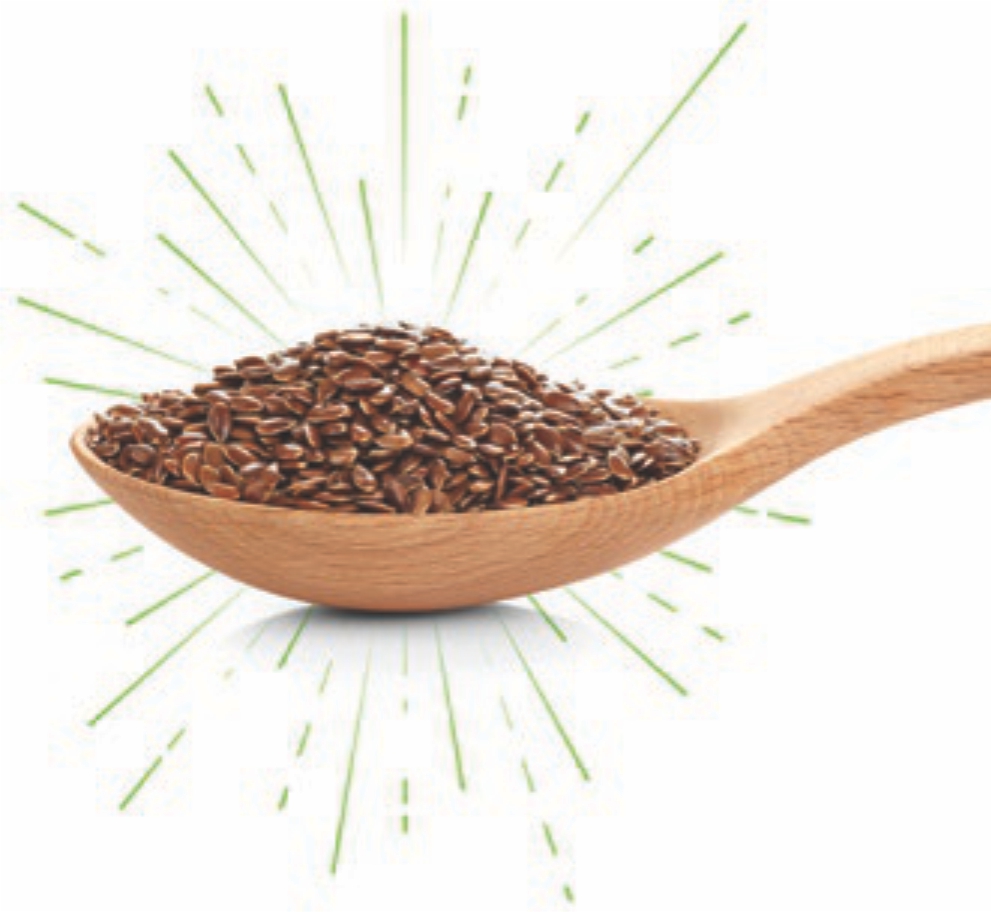
Hạt lanh và dầu hạt lanh: Bảo quản và sử dụng
Mặc dù hạt lanh nguyên hạt và hạt lanh nghiền có thành phần dinh dưỡng tương đương nhau, nhưng vật nuôi sẽ hấp thu dinh dưỡng tốt hơn khi hạt được nghiền nhỏ.
Lớp vỏ cứng và bóng của hạt lanh có tác dụng bảo vệ dầu bên trong khỏi bị oxy hóa và giúp duy trì khả năng nảy mầm. Tuy nhiên, lớp vỏ này rất khó bị phá vỡ khi nhai, vì vậy việc nghiền hạt giúp tăng khả năng tiêu hóa và hấp thu dưỡng chất.
Do chứa hàm lượng dầu cao, chủ yếu là ALA, hạt lanh dễ bị oxy hóa nếu tiếp xúc với không khí. Tuy nhiên, lớp vỏ tự nhiên giúp bảo quản hạt lanh sạch và khô trong thời gian lên đến 2 năm.
Hạt lanh nghiền chất lượng cao có thể được mua sẵn trên thị trường nhưng cần tuân thủ hướng dẫn bảo quản của nhà sản xuất.
Dầu hạt lanh
Dầu hạt lanh được sản xuất bằng phương pháp ép lạnh hoặc chiết xuất dung môi.
So với hạt lanh nguyên hạt:
|
Thành phần |
Hạt lanh |
Dầu hạt lanh |
|---|---|---|
|
ALA |
18–23% |
55–58% |
|
Chất xơ |
Có |
Không |
|
Protein |
Có |
Không |
|
Lignan |
Có |
Không |
Do dễ bị oxy hóa, dầu hạt lanh thường không được sử dụng như nguồn chất béo duy nhất trong thức ăn thú cưng mà thường được phối hợp với các loại dầu khác nhằm tăng hàm lượng Omega-3.
Dầu nên được bảo quản trong chai tối màu, nơi mát mẻ và có thể bổ sung chất chống oxy hóa để duy trì chất lượng.
Lợi ích dinh dưỡng của hạt lanh
Hạt lanh chứa nhiều dưỡng chất thiết yếu cho chó và mèo.
Nguồn Omega-3 thực vật giàu nhất
ALA là axit béo Omega-3 thiết yếu vì cơ thể động vật không thể tự tổng hợp được.
Các axit béo Omega-3 khác gồm:
- EPA (Eicosapentaenoic Acid)
- DHA (Docosahexaenoic Acid)
thường có trong cá béo và có thể được cơ thể tổng hợp từ ALA.
Các Omega-3 này đã được chứng minh giúp giảm viêm, một yếu tố liên quan đến:
- Béo phì
- Tiểu đường
- Ung thư
- Viêm khớp
Giàu chất xơ
Trong 100 g hạt lanh có:
- 28 g tổng chất xơ
- 19 g chất xơ không hòa tan
- 9 g chất xơ hòa tan
Chất xơ trong hạt lanh có thể:
- Hỗ trợ sức khỏe đường ruột
- Giảm lượng năng lượng hấp thu
- Kiểm soát cân nặng
- Hỗ trợ quản lý bệnh tiểu đường
Một nghiên cứu trên người cho thấy chỉ cần 2,5 g chất xơ hòa tan từ hạt lanh đã có thể giúp giảm cảm giác thèm ăn.
Giàu protein
Hạt lanh chứa khoảng 20 g protein trên 100 g hạt.
Các axit amin chiếm tỷ lệ cao gồm:
- Arginine
- Aspartic acid
- Glutamic acid
Các axit amin hạn chế gồm:
- Lysine
- Methionine
- Cystine
Nguồn lignan chống oxy hóa mạnh
Hạt lanh là một trong những nguồn lignan tự nhiên giàu nhất.
Lignan chính là:
Secoisolariciresinol Diglucoside (SDG)
Nghiên cứu trên động vật cho thấy SDG có khả năng hỗ trợ bảo vệ cơ thể chống lại ung thư.
Nên bổ sung bao nhiêu hạt lanh trong thức ăn chó mèo?
Hiện chưa có mức tối ưu được xác định chính thức cho vật nuôi.
Tuy nhiên, dựa trên dữ liệu ở người:
- Mức sử dụng tham chiếu: 40 g hạt lanh nghiền/ngày.
- Quy đổi cho thức ăn chó khô tương đương khoảng 3,9% vật chất khô (DM) trong khẩu phần.
Khi sử dụng hạt lanh hoặc dầu hạt lanh, cần đánh giá độ ổn định oxy hóa của sản phẩm để đảm bảo thời hạn sử dụng và xác định lượng chất chống oxy hóa phù hợp.
Phù hợp với khẩu phần không ngũ cốc (Grain-Free)
Ngoài giá trị dinh dưỡng, hạt lanh còn có nhiều ưu điểm:
- Không phải ngũ cốc
- Không chứa gluten
- Phù hợp với thức ăn grain-free
- Phù hợp với thức ăn gluten-free
- Có nguồn hữu cơ (organic)
- Không biến đổi gen (Non-GMO)
Tính an toàn
Giống nhiều loại hạt thực vật khác, hạt lanh chứa một lượng vừa phải các hợp chất bảo vệ tự nhiên gọi là:
Cyanogenic glucosides
Nếu tiêu thụ quá mức có thể gây ảnh hưởng bất lợi.
Tuy nhiên, các hợp chất này sẽ bị vô hiệu hóa trong quá trình gia nhiệt nên không phải là vấn đề đáng lo ngại đối với các sản phẩm thức ăn thú cưng đã qua chế biến nhiệt.
Hạt lanh là nguyên liệu lý tưởng cho thức ăn thú cưng
So với các nguồn Omega-3 từ biển, ALA từ hạt lanh có nhiều lợi thế:
- Nguồn cung ổn định hơn
- Chi phí thấp hơn
- Ít nguy cơ gây dị ứng
- Phù hợp với xu hướng sử dụng nguyên liệu thực vật
- Không lo ngại về kim loại nặng và độc tố trong hải sản
Ngoài ra, hạt lanh còn cung cấp:
- Chất xơ
- Protein
- Chất chống oxy hóa lignan
Đối với những người tiêu dùng muốn lựa chọn thực phẩm lành mạnh và bền vững hơn cho bản thân và thú cưng, hạt lanh và dầu hạt lanh là những lựa chọn rất có giá trị.
Về mặt thương mại, hạt lanh là nguồn dầu và protein có nguồn gốc thực vật, được sản xuất tại địa phương, giúp tăng sức hấp dẫn cho các công thức thức ăn chó mèo.