

DINH DƯỠNG
Lợi ích omega-3 được truyền từ mẹ sang con
Nghiên cứu mới cho thấy việc bổ sung omega-3 vào khẩu phần của gà giống bố mẹ giúp cải thiện sức khỏe và khả năng chống chịu của gà thịt con.
Tác giả: Jane Robinson
Khi ngành chăn nuôi gia cầm tiếp tục tìm kiếm các giải pháp thay thế kháng sinh nhằm hỗ trợ sức khỏe và tăng trưởng của gà thịt, một nghiên cứu đột phá tại University of Guelph đã lựa chọn một hướng tiếp cận khác: cải thiện sức khỏe của gà bố mẹ trước tiên.
Ý tưởng nghiên cứu khá đơn giản: bổ sung axit béo omega-3 vào khẩu phần của gà giống và đánh giá xem những lợi ích này có thể được truyền sang thế hệ gà con thông qua trứng hay không.
Ông Dr. Elijah Kiarie, Giáo sư Dinh dưỡng động vật dạ dày đơn và Chủ tịch ngành Dinh dưỡng Gia cầm McIntosh Family tại Đại học Guelph, cho biết:
"Chúng tôi muốn xác định liệu khi tăng cường omega-3 trong khẩu phần của gà bố mẹ, các lợi ích này có được truyền qua trứng để tạo ra những con gà thịt khỏe mạnh và có sức chống chịu tốt hơn hay không."
Ông cùng nghiên cứu sinh Dr. Aizwarya Thanabalan cũng muốn đánh giá khả năng chống chịu bệnh tật của gà con khi nhận được những tác động tích cực từ omega-3 của thế hệ bố mẹ.
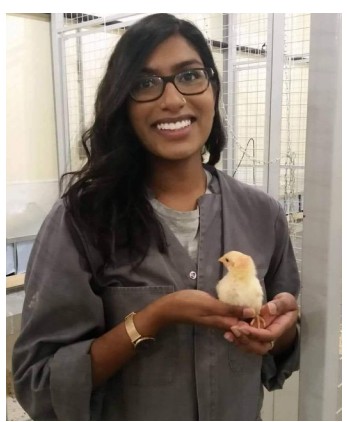
Tiến sĩ Aizwarya Thanabalan đã hoàn thành chương trình nghiên cứu Tiến sĩ dưới sự hướng dẫn của Tiến sĩ Elijah Kiarie, với trọng tâm là dự án nghiên cứu về omega-3
Thiết kế nghiên cứu toàn diện
Nhóm nghiên cứu đã thực hiện dự án kéo dài 64 tuần tại Trạm Nghiên cứu Gia cầm Arkell của Đại học Guelph.
Tổng cộng 588 gà mái giống thịt được chia thành 3 khẩu phần:
- Khẩu phần đối chứng.
- Khẩu phần bổ sung 1% vi tảo biển (nguồn DHA omega-3).
- Khẩu phần bổ sung 2,5% omega-3 từ hạt lanh (linPRO).
Theo bà Thanabalan:
"Đây là một thiết kế nghiên cứu khá phức tạp với 32 tổ hợp khẩu phần nhằm đánh giá nhiều yếu tố khác nhau, bao gồm ảnh hưởng của hai nguồn omega-3."
Trong giai đoạn nuôi hậu bị, nhóm nghiên cứu đánh giá:
- Độ đồng đều đàn.
- Sự phát triển xương.
- Tác động của omega-3 đối với sức khỏe gà giống.
Trứng được thu thập nhiều lần trong suốt vòng đời của gà bố mẹ để xác định mức độ truyền omega-3 vào trứng.
Các chỉ tiêu được theo dõi gồm:
- Hàm lượng axit béo trong trứng.
- Tỷ lệ thụ tinh.
- Tỷ lệ nở.
Sau đó, gà con được nuôi theo quy trình sản xuất thương phẩm thông thường để đánh giá:
- Khối lượng cơ thể.
- Lượng thức ăn tiêu thụ.
- Hệ số chuyển hóa thức ăn (FCR).
- Khối lượng thịt ức.
Một nội dung quan trọng của nghiên cứu là xác định:
- Chỉ bổ sung omega-3 cho gà bố mẹ.
- Chỉ bổ sung cho gà con.
- Hay bổ sung cho cả hai thế hệ.
Phương án nào mang lại hiệu quả tốt nhất.
Ngoài ra, ở ngày tuổi thứ 10, gà con còn được gây nhiễm cầu trùng (Coccidiosis) ở mức độ cao hoặc thấp để đánh giá khả năng chống chịu bệnh.
Hiệu quả được truyền sang thế hệ sau
Kết quả nghiên cứu cho thấy:
✅ Việc bổ sung omega-3 cho gà bố mẹ và gà con đều mang lại lợi ích rõ rệt.
✅ Tuy nhiên, nguồn omega-3 có ảnh hưởng đáng kể đến kết quả.
Ông Kiarie cho biết:
"Chúng tôi ghi nhận những kết quả rất ấn tượng từ việc bổ sung omega-3 trong khẩu phần của gà giống."
Omega-3 từ hạt lanh vượt trội
So với DHA từ vi tảo:
- Gà thịt sử dụng omega-3 từ hạt lanh có FCR thấp hơn.
- Tăng hiệu quả sử dụng thức ăn.
- Cải thiện tăng trưởng.
Đây là tin tích cực vì omega-3 từ hạt lanh (linPRO) là nguồn nguyên liệu bền vững được sản xuất tại Canada bởi O & T Farms.
Cải thiện sản lượng thịt ức
Khi cả gà bố mẹ và gà con đều được bổ sung omega-3 từ hạt lanh:
- Khối lượng thịt ức tăng khoảng 5%.
Điều đáng chú ý là:
- Gà ăn omega-3 từ hạt lanh có tỷ lệ thịt ức cao hơn đáng kể so với nhóm sử dụng DHA từ vi tảo.
Gà con nặng hơn
Gà bố mẹ ăn omega-3 từ hạt lanh tạo ra:
- Gà con có khối lượng sơ sinh cao hơn so với nhóm sử dụng omega-3 từ tảo.
Theo Kiarie:
"Người chăn nuôi luôn thích gà con nặng cân hơn vì chúng thường có khả năng tăng trưởng tốt hơn trong trại."
Khả năng chống chịu cầu trùng tốt hơn
Khi thử thách bằng bệnh cầu trùng:
- Nhóm sử dụng DHA từ vi tảo có mức độ tổn thương ruột cao hơn.
- Omega-3 từ hạt lanh cho thấy khả năng hỗ trợ miễn dịch tốt hơn.
Theo Thanabalan:
"Các nghiên cứu trước đây cho thấy DHA có thể làm giảm phản ứng viêm cần thiết để hình thành miễn dịch, trong khi omega-3 từ hạt lanh có vẻ phù hợp hơn."
Kiarie cũng cho rằng omega-3 từ hạt lanh có thể tạo ra hiệu ứng giải phóng chậm, do cơ thể phải chuyển hóa trước khi sử dụng, từ đó mang lại lợi ích kéo dài hơn đối với sức khỏe và năng suất của gia cầm.
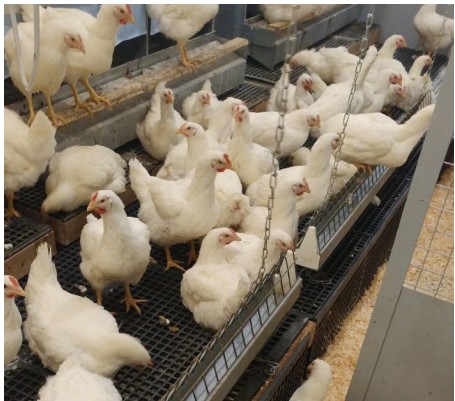
Một cách tiếp cận mới trong dinh dưỡng gia cầm
Theo nhóm nghiên cứu, kết quả này cho thấy ngành chăn nuôi cần thay đổi cách nhìn về dinh dưỡng gà thịt.
Ông Kiarie nhấn mạnh:
"Chúng ta cần thay đổi cách suy nghĩ về việc cho ăn."
Ông cho rằng tiềm năng cải thiện hiệu suất từ khẩu phần khởi động của gà thịt đã gần đạt giới hạn, vì vậy cần tập trung nhiều hơn vào:
- Chất lượng trứng.
- Chất lượng gà con.
- Dinh dưỡng của đàn gà giống bố mẹ.
Đây là giai đoạn có thể tạo ảnh hưởng rất lớn đến năng suất của gà thịt thương phẩm.
Thanabalan bổ sung:
"Chúng ta cần nuôi dưỡng đàn gà giống với mục tiêu hướng đến sức khỏe của đàn gà thịt sau này."
Bà cho rằng ngành chăn nuôi hiện vẫn đang tách biệt quá rõ giữa các giai đoạn sản xuất, trong khi giá trị thực sự nằm ở việc xem xét toàn bộ chuỗi sản xuất liên tục.
Theo Dr. Bree Kelln, Quản lý Dịch vụ Kỹ thuật và Nghiên cứu Phát triển của O & T Farms:
"Nghiên cứu này mở ra một hướng đi mới trong dinh dưỡng, đó là nhìn nhận toàn bộ vòng đời của vật nuôi thay vì chỉ tập trung vào 42 ngày nuôi gà thịt."
Kết luận
Nghiên cứu chứng minh rằng việc bổ sung omega-3 cho gà giống bố mẹ, đặc biệt là nguồn omega-3 từ hạt lanh (linPRO), không chỉ cải thiện sức khỏe của đàn giống mà còn giúp:
- Tăng khối lượng gà con.
- Cải thiện FCR.
- Tăng khối lượng thịt ức.
- Nâng cao khả năng chống chịu bệnh cầu trùng.
- Tối ưu hiệu quả sản xuất gà thịt trong toàn bộ chuỗi chăn nuôi.